
February 10, 2026
|
6
minute read
Solotel Group X Lexer: Turning customer data into fully booked restaurants




Solotel
Solotel Group operates a collection of premium hospitality venues across Sydney, including renowned establishments like Aria Restaurant and Chiswick Woollahra. These venues have built their reputation on delivering exceptional culinary experiences that attract guests who appreciate fine dining, quality ingredients, and impeccable service.
As competition in the premium dining sector intensified, Solotel recognised an opportunity to enhance their guest-first approach. They needed a way to better understand their diverse customer base and deliver messaging that resonated with different audience segments. This is where their partnership with Lexer came in, providing the data infrastructure and segmentation capabilities to transform their marketing from broad-reach campaigns into precisely targeted communications.
The need for tailored messaging
In today's hospitality landscape, generic marketing isn’t having the results it used to. Research consistently shows that personalised experiences drive measurable business results. According to a 2023 study by McKinsey, 71% of consumers expect companies to deliver personalised interactions, and 76% get frustrated when this doesn't happen. More importantly, companies that excel at personalisation generate 40% more revenue from those activities than average players.
For hospitality groups specifically, tailored messaging addresses several critical challenges. Guests have different preferences, dining occasions, and price sensitivities. A couple celebrating an anniversary has entirely different needs than a business professional looking for a quick lunch venue. Without segmentation, marketing teams risk alienating guests with irrelevant offers or missing opportunities to drive bookings during key moments.
This challenge is particularly relevant for Solotel's target audience of guests who typically value fine dining. These customers have elevated expectations around every touchpoint, including marketing communications. They aren’t looking for mass-market promotions, but rather expect venues to understand their preferences and tailor communications accordingly. By focusing on specific ideal customer profiles (ICPs) rather than casting a wide net, Solotel could allocate their marketing budget more efficiently, improve conversion rates, and build stronger relationships with the guests most likely to become loyal patrons.

Using segmentation to achieve personalisation
Customer segmentation is the practice of dividing a customer base into distinct groups based on shared characteristics, behaviours, or preferences. For hospitality brands, effective segmentation goes beyond basic demographics to incorporate dining frequency, venue preferences, spending patterns, and occasion types.
Consider a few hypothetical segments relevant to Solotel's premium venues:
- The special occasion celebrator: This guest visits two to three times per year, typically for birthdays, anniversaries, or milestone celebrations. They have higher average spend, often order wine, and are particularly responsive to messaging around key calendar dates like Valentine's Day, Mother's Day, or New Year's Eve.
- The culinary enthusiast: This segment visits regularly, follows the venues on social media, and engages with content about seasonal menus, chef profiles, and ingredient sourcing. They're likely to book for new menu launches and respond well to exclusive previews or tasting menu promotions.
- The corporate entertainer: These guests book private dining rooms or tables for business meals. They prioritise service quality and ambiance, often book with shorter lead times, and may have specific dietary requirements or preferences that need to be accommodated.
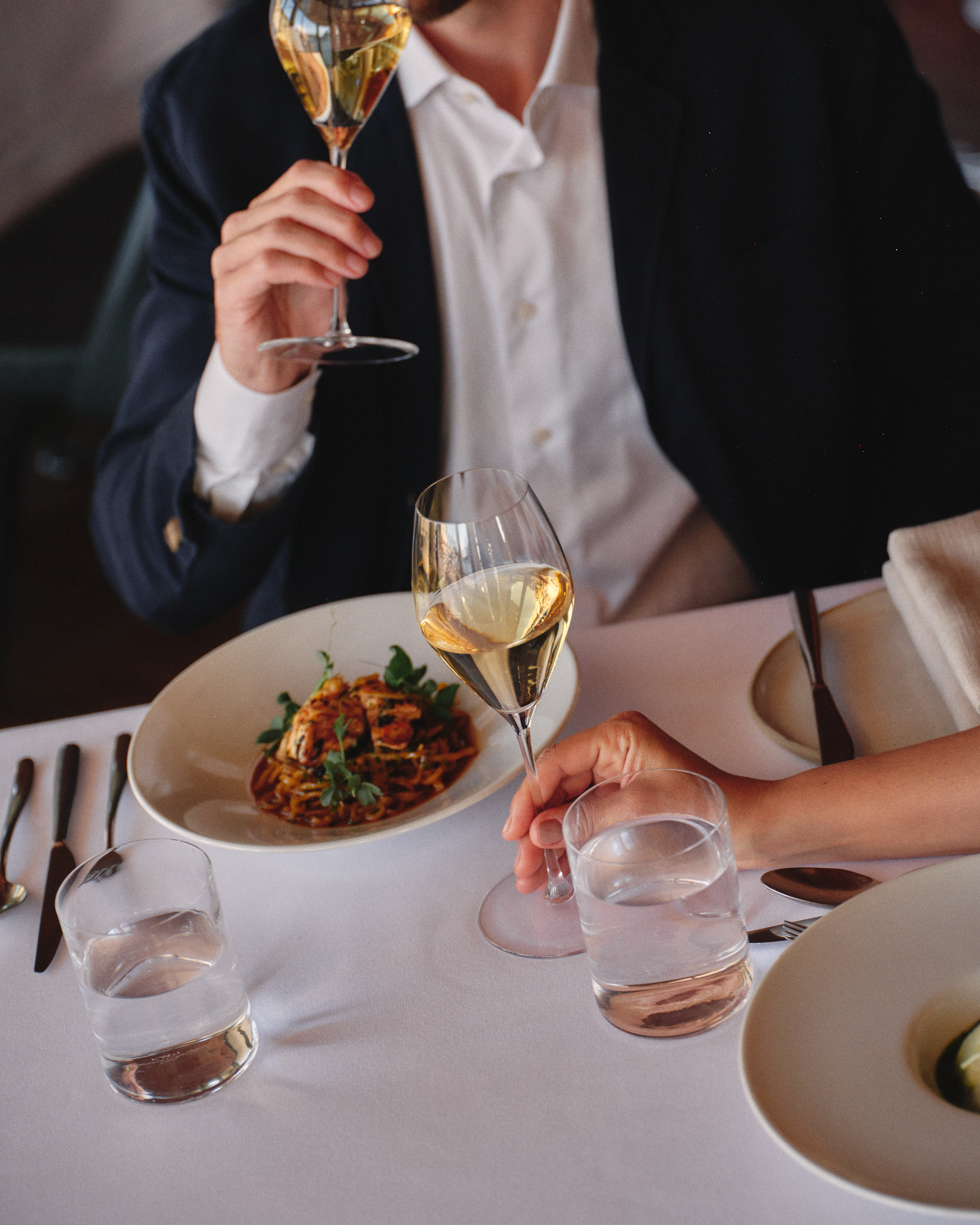
Naturally, these segments require different messaging strategies. The special occasion celebrator needs romantic, emotive content that emphasises creating memorable moments. The culinary enthusiast wants rich storytelling, and the corporate entertainer values efficiency and professionalism in communications.
This is why personalisation depends entirely on accurate segmentation. Without understanding who your guests are and what motivates them, even the most thoughtfully crafted message will miss the mark.
Lexer’s segmentation tools
Lexer's customer data platform (CDP) is purpose-built for retail and hospitality brands, offering segmentation capabilities that unite fragmented customer data into actionable audiences. The platform combines first-party data from booking systems, point-of-sale, email engagement, and loyalty programs with enriched third-party data to create comprehensive customer profiles.
Lexer's Understand tool enables hospitality brands to build segments from their audience data. Marketing teams can combine multiple criteria, such as recency of visit, lifetime spend, venue preferences, and predicted behaviours, to create highly specific audiences. These segments can then be activated directly into advertising platforms, email service providers, and SMS tools, ensuring consistent targeting across all channels.
.png)
The solution
For their Valentine's Day campaign, Solotel Group worked with Lexer to create precise customer segments using the platform's Understand tool. This process combined first-party data (information Solotel collected directly from their guests, such as booking history, dining frequency, and communication preferences) with third-party data (enriched demographic and lifestyle information from external data sources that helps paint a fuller picture of customer characteristics and behaviours).
By layering these data sources, the Solotel team identified guests most likely to celebrate Valentine's Day at their premium venues. Rather than targeting their entire database or using broad demographic assumptions, they built segments based on actual behaviour patterns.
This data-informed approach allowed Solotel to craft messaging that spoke directly to these guests' intentions, allocate advertising spend to the highest-potential audiences, and avoid
The outcome
The results from Solotel's Valentine's Day campaign demonstrated the tangible impact of data-informed segmentation. The campaign achieved a 141% year-over-year improvement in click-through rate (CTR), indicating that their messaging resonated far more effectively with the targeted audiences. Simultaneously, cost-per-click (CPC) dropped by 50%, meaning they achieved better engagement while spending significantly less per interaction.
Perhaps most telling was the efficiency gain: Solotel spent 10% less on the campaign overall and was able to turn off advertisements earlier than expected because both Aria and Chiswick Woollahra reached full capacity ahead of Valentine's Day. This outcome reflects the holy grail of marketing performance; achieving business objectives with less spend by reaching the right people with the right message.
Beyond the immediate metrics, these improvements had broader implications for Solotel's marketing approach. The success built internal confidence in using the power of segmentation, which represents a fundamental transformation from reactive, campaign-by-campaign marketing to a strategic, data-driven approach that continuously optimises audience targeting.
Final thoughts
Solotel Group's partnership with Lexer demonstrates how hospitality brands can move beyond intuition-based marketing to achieve measurable, significant improvements through data-informed segmentation.
By understanding their guests at a granular level and delivering tailored messaging that aligned with specific needs and occasions, Solotel not only drove exceptional campaign performance but also established a sustainable framework for ongoing marketing excellence.
For hospitality groups facing similar challenges, whether managing multiple venues, targeting diverse guest segments, or seeking to improve marketing ROI, the path forward is clear. Investing in robust customer data infrastructure and segmentation capabilities isn't just a technical upgrade; it's a strategic imperative that enables the personalised, guest-first experiences that today's diners expect.
With the right tools and approach, any hospitality brand can achieve outcomes like Solotel's: more efficient spend, stronger engagement, and ultimately, restaurants filled with the right guests at the right time.
FAQs
What problems does personalised messaging solve for a multi-venue restaurant group?
Personalised messaging ensures relevant communications per venue preference, optimises marketing spend by targeting high-conversion segments, and enables venue-specific positioning while maintaining brand consistency.
How can I personalise messaging while staying compliant with SMS and privacy regulations?
Obtain explicit consent, use a CDP with consent management functionality, implement preference centres for guest control, avoid unnecessary sensitive data, and regularly audit practices against GDPR, CCPA, and local privacy laws. Transparent data practices build trust and improve engagement.
What KPIs should I expect personalised messaging to move in the first 6 months?
Expect improvements in:
- Email open rates (15-30%)
- Click-through rates (40-100%+)
- Reduced unsubscribe rates
- Increased booking conversion rates
- Lower cost-per-acquisition
- Higher average spend per booking.