
August 16, 2019
|
8
minute read
4 steps to customer acquisition using data analytics




Most acquisition strategies have a hidden flaw: they optimise for volume. More clicks, more sign-ups, more first-time buyers. But in retail, a customer who buys once and never returns is actively expensive. Acquiring that customer cost you more than you made from them.
The alternative is to stop optimising for acquisition volume and start optimising for acquisition quality: attracting customers who look like your best existing ones.
Here's the four-step process.
Step 1: Identify who your best customers actually are
Before you can attract high-value customers, you need to know exactly what they look like.
The 80/20 rule is consistent across mid-to-high price point retail: roughly 20% of customers generate 80% of revenue. For some brands, the top 20% of customers are worth 16x more than the bottom 80%. Your acquisition strategy should be entirely focused on finding more people who look like that 20%.
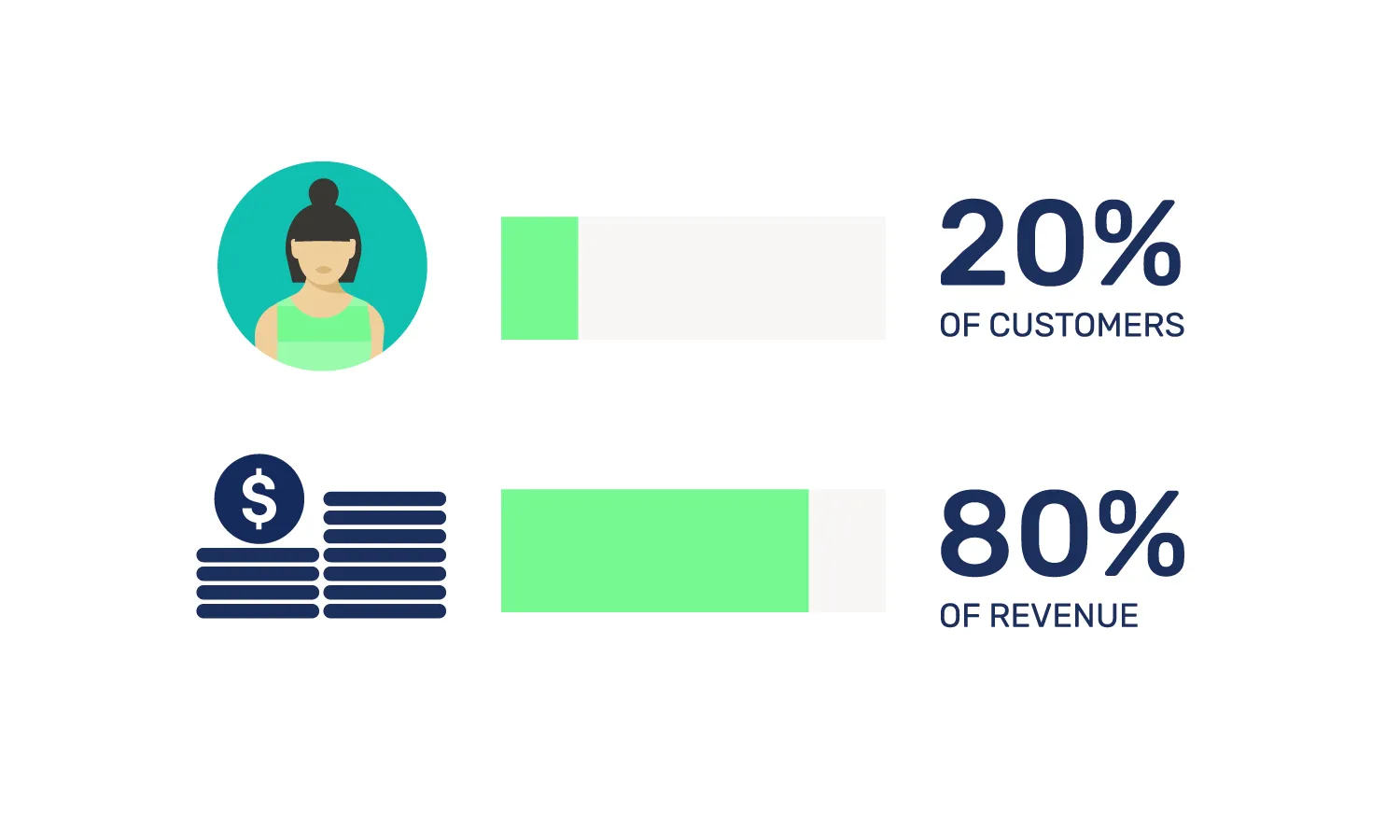
Start by analysing your top-value customers across these dimensions:
- Total lifetime spend and predicted future spend over the next 12 months
- Purchase frequency and average order value
- Churn risk score: low churn risk is as important as high current spend
- First product purchased: certain entry products consistently attract higher-value buyers
- Acquisition channel: some channels bring customers with dramatically different retention rates
Lexer's customer analytics platform calculates these attributes automatically for every customer in your database, making this analysis something your marketing team can run themselves rather than commissioning from a data team.
Step 2: Find your hero products for acquisition
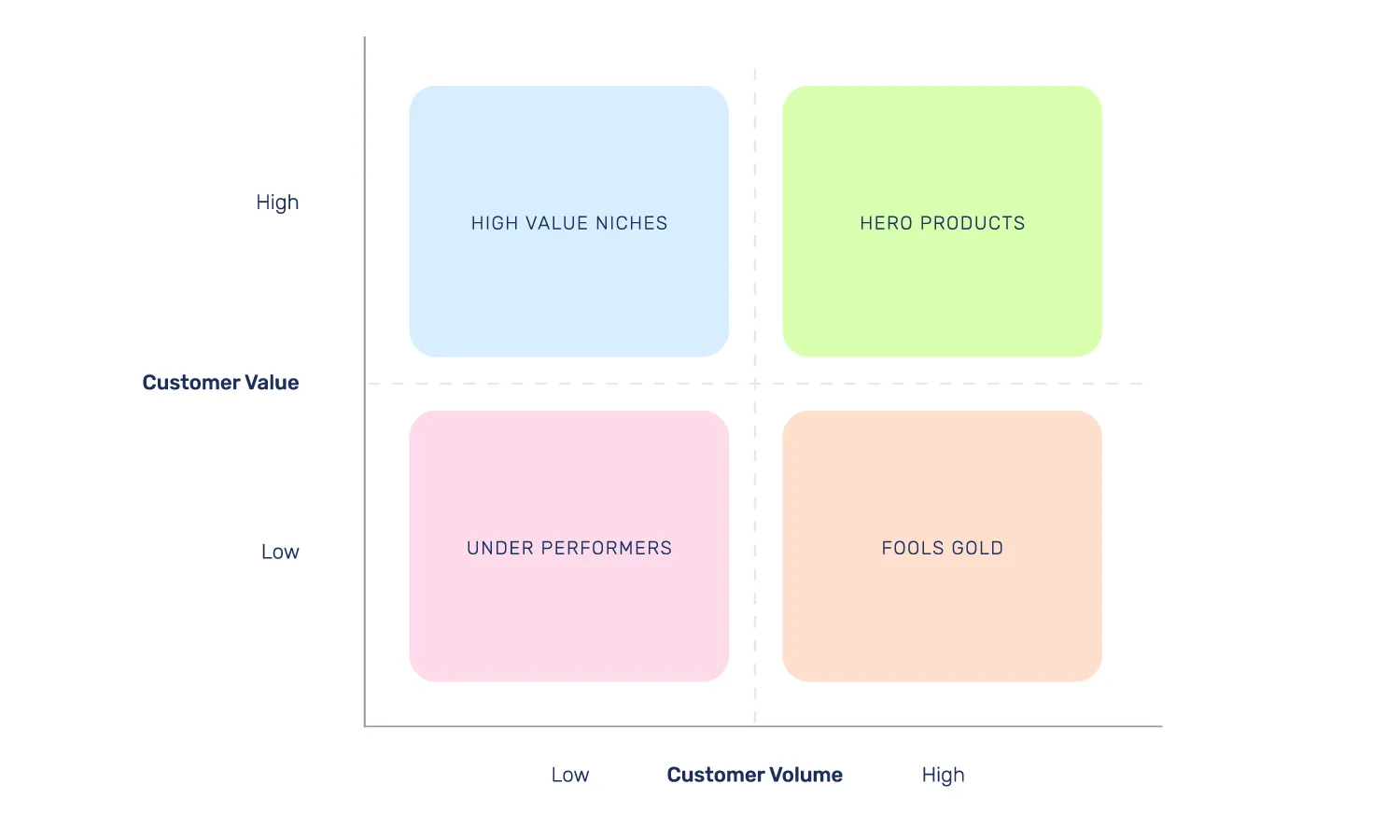
Not all products are equal as entry points. Some first purchases consistently lead to second, third, and fourth purchases. Others attract one-time buyers who never return.
Analyse your top-value customers' first purchases. You're looking for two things:
High conversion to second order: products where buyers are most likely to come back. This tells you which entry points tend to attract loyal customers.
Low churn risk after first purchase: products where first-time buyers have a high predicted future spend, not just a reasonable second purchase rate.
Once you've identified your hero products, lean into them in your acquisition campaigns. Feature them prominently in paid social. Build your creative around them. Use them as the focal point for lookalike audiences.
Step 3: Build lookalike audiences from your best customers only
Here's where most brands leave significant money on the table: they build paid lookalike audiences from their entire customer list, including their low-value and one-time buyers. That dilutes performance, because the platform is trying to find people who look like customers who churned.
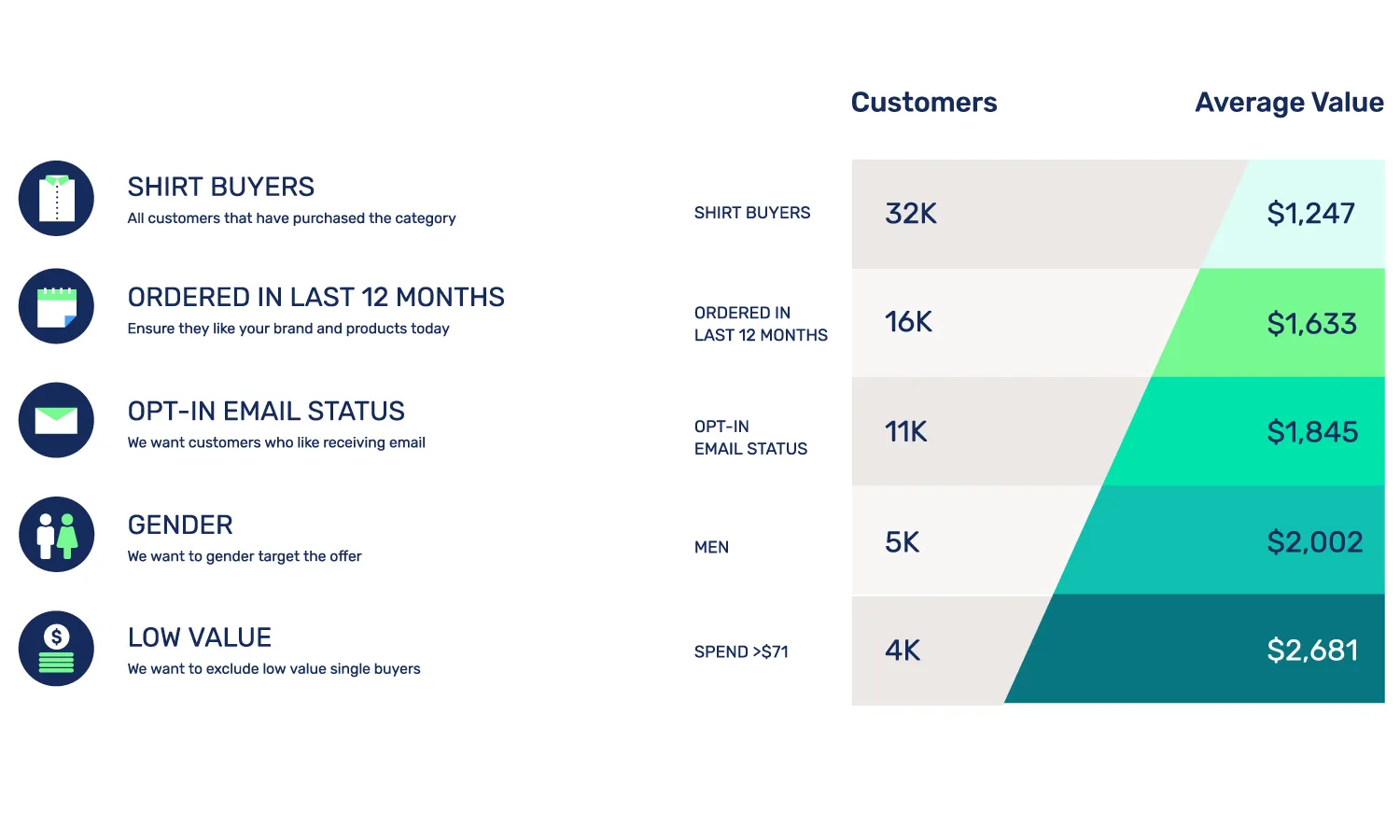
Instead, build your lookalike audiences from a segment of only your highest-value customers, typically your top 10–20% by lifetime value, filtered for low churn risk.
The mechanics differ slightly across platforms:
Meta (Facebook/Instagram): Upload a custom audience of your top-value customers. Build a 1% or 2% lookalike from that seed. Exclude your existing customers from the lookalike targeting to avoid wasting budget on people you've already acquired.
Google/YouTube: Use customer match with your high-value seed list. Build similar audiences from that match for prospecting campaigns.
Programmatic: Use your CDP's audience activation capabilities to push your high-value segment to programmatic demand-side platforms for lookalike targeting.
Lexer's customer segmentation platform makes it straightforward to define your high-value segment precisely and push it to any connected ad platform. You can then activate your customer data directly across every paid and owned channel without manual audience exports.
Step 4: Measure acquisition by cohort quality, not just conversion rate
The final step is the one most brands skip: measuring whether your acquisition campaigns are actually working, by reviewing the quality of the customers they bring in.
A campaign with a $30 CPA that brings in customers with a 6-month LTV of $200 is dramatically better than a campaign with a $20 CPA that brings in customers who buy once and never return. But if you're only looking at CPA, you'll optimise toward the wrong campaign.
Measure acquisition performance by cohort:
- 90-day repeat purchase rate for customers acquired through each campaign
- 6-month LTV by acquisition source
- Churn rate by acquisition channel, broken down by first product purchased
- Proportion of one-time buyers by channel. A high proportion of single-purchase customers is a sign the channel is attracting poor-fit customers
Once you can see these cohort metrics by channel, you'll be able to cut spend on channels that look cheap but bring low-value customers, and scale spend on channels that bring the customers most likely to return.
Personalisation that scales well also matters here: companies that excel at personalising the acquisition and post-acquisition experience generate around 40% more revenue than their peers (Twilio/Segment via Contentful, 2025). The difference compounds over time as high-value acquired customers return more frequently and spend more per visit. See how Lexer for retail powers this kind of cohort measurement in practice.
Why this matters more now
Customer acquisition costs have increased substantially in recent years. Brands that are still optimising for volume are increasingly running a leaky bucket: new customers in, churned customers out, with no net improvement in the quality of the customer base.
The brands growing sustainably are those who treat acquisition as the first step in a customer relationship, not the whole strategy. That starts with knowing who you want to attract and building every part of your acquisition engine around finding more of them.
FAQs
What is a high-value customer?
A high-value customer is one who generates above-average lifetime value for your business, measured by total spend, purchase frequency, and low churn risk. In retail, the top 20% of customers typically account for 80% of revenue.
How do I find my best customers?
Analyse your customer base by lifetime value, purchase frequency, churn risk, and first product purchased. Customers with the highest combination of spend, frequency, and low churn risk are your best candidates for lookalike audience building. A CDP or customer analytics platform makes this analysis self-serve for marketing teams.
What is a lookalike audience and how do I use it for acquisition?
A lookalike audience is an audience built by an ad platform (Meta, Google, etc.) that targets new users who share similar characteristics with a seed list of your existing customers. For best results, build your seed list from only your highest-value customers so the platform is finding people who look like your best buyers, not your average ones.
How do I measure the quality of my customer acquisition?
Look beyond cost-per-acquisition (CPA). Measure 90-day repeat purchase rate, 6-month LTV, and churn rate by acquisition channel. A channel that appears cheap by CPA but brings customers who never return is actually your most expensive channel when measured by customer quality.